

Diabetes treatment
Better understanding for better living with

Article written by Eli Lilly Belgium, in collaboration with Doctoranytime.
What is insulin? 1
Insulin is a hormone produced by the pancreas that helps the body convert glucose into energy.
Type 2 diabetes is the most common form of diabetes.
- It usually appears after the age of 40, but it can also occur earlier.
- It progresses gradually and often remains unnoticed for a long time.
What to do?
The first step is to talk to your general practitioner about your potential risk of type 2 diabetes. Your doctor can assess your overall health and discuss the next steps with you. This may include a few simple tests, such as checking your blood values. For accurate results, you need to come in sober, which means not eating or drinking anything in the morning before your appointment.
In a few figures 3
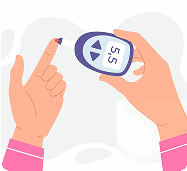
- 1 in 10 people lives with some form of diabetes — more than 1 million Belgians.
- 90% of adults with diabetes are affected by type 2 diabetes (T2D).
- At the time of diagnosis, 30% of people with type 2 diabetes already show complications.
What is type 2 diabetes? 1, 2
The key hormone involved in type 2 diabetes is insulin. It is produced by the pancreas and regulates blood glucose (blood sugar) levels. Without enough insulin, or if the body becomes less sensitive to it, glucose remains in the blood, causing blood sugar levels to rise. Two main mechanisms lead to type 2 diabetes:

Decreased sensitivity of cells to insulin
Over time, or due to excess body fat (as in overweight or obesity), the body’s cells become less responsive to insulin. Glucose enters the cells less efficiently and begins to accumulate in the blood — this is hyperglycemia, which slowly develops.

Reactive hyperinsulinemia (or insulin deficiency)
To compensate for insulin resistance, the pancreas produces more insulin for several years. Over time, this constant effort exhausts the pancreas, which becomes unable to produce enough insulin. Blood sugar levels then remain persistently high — this is type 2 diabetes.
Genetic and/or environmental factors can contribute to the development of diabetes. The most important include:
- age
- hereditary predisposition
- high blood sugar
- high blood pressure
- high body weight
- unhealthy lifestyle habits
- smoking
- metabolic syndrome (a combination of abdominal obesity + high blood pressure + high cholesterol)
By taking care of your health and adopting a balanced lifestyle, you can help stabilize your blood sugar and reduce your risk of developing diabetes.If you have several of these risk factors — even if you are under 40 — talk to your doctor and, if needed, get tested to assess your risk.
Why get regular checkups? 1
Type 2 diabetes is often asymptomatic and painless. Noticeable symptoms — such as intense thirst, dry mouth, frequent urination, unexplained fatigue, or blurred vision — tend to appear only later. Often, the diagnosis is made accidentally during a general checkup or after a complication has already occurred. This means a person may live with diabetes for years without knowing it, while complications are already developing. This is why regular medical checkups are essential to detect diabetes early and prevent long-term health problems. If blood sugar levels remain too high (hyperglycemia) for too long, this can lead to complications such as:
-
![Eye problems]()
eye problems
-
![Cardiovascular disease]()
cardiovascular disease
-
![Foot problems]()
foot problems
-
![Kidney issues]()
kidney issues
-
![Liver disorders]()
liver disorders





If you think you may be experiencing one of these complications, talk to your doctor about regular screenings or a preventive checkup.
Preventing diabetes
Although age and heredity play a role, type 2 diabetes can often be prevented. How? By adopting a healthy lifestyle. Quitting smoking, increasing physical activity, and eating a balanced diet all help reduce the risk of developing type 2 diabetes. A doctor, dietitian, or another healthcare professional can support you in making these changes.

Have a question? Ask our specialists
Ask anonymously Ask for free


We’ll email you when a specialist replies.
An unexpected error occurred but we’re working on it. Please try again.

Submit an anonymous question
We moderate your questions and send them to doctoranytime specialists

Get updates for your question
If you enter your email, we’ll notify you when a specialist answers your question

Check the answers
Once your question receives an answer, we’ll post it in the related doctoranytime sections